0844 5555 171




Data Centre Cleanliness: As data centres deploy increasingly dense, high-value compute infrastructure, environmental control is no longer an operational detail. It is a material risk factor with direct implications for equipment warranties, insurance coverage, and loss defensibility.
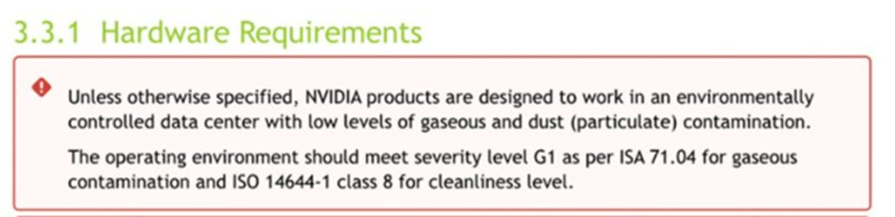
Original Equipment Manufacturers (OEMs), including NVIDIA, are explicit in their system requirements: enterprise hardware must operate within tightly controlled environmental conditions. These commonly reference recognised standards such as ISA-71.04 Severity Level G1 for gaseous contamination and ISO 14644-1 Class 8 for particulate cleanliness.
These requirements are not advisory.
They form part of the conditions of operation for advanced IT equipment.
Why Environmental Compliance Matters
1. Warranty and Support Protection
Operating outside OEM-specified environmental limits can invalidate manufacturer warranties and support agreements. In the event of premature hardware failure, contamination levels may be reviewed as part of fault analysis, potentially leaving organisations exposed to significant replacement costs.
2. Insurance Risk and Claim Defensibility
From an insurance perspective, environmental contamination represents a progressive and often overlooked risk. During post-incident investigations — particularly following equipment failure or fire — insurers and loss adjusters may assess whether environmental controls were aligned with OEM requirements. Lack of evidence can complicate or weaken claims.
3. Asset Degradation and Failure Risk
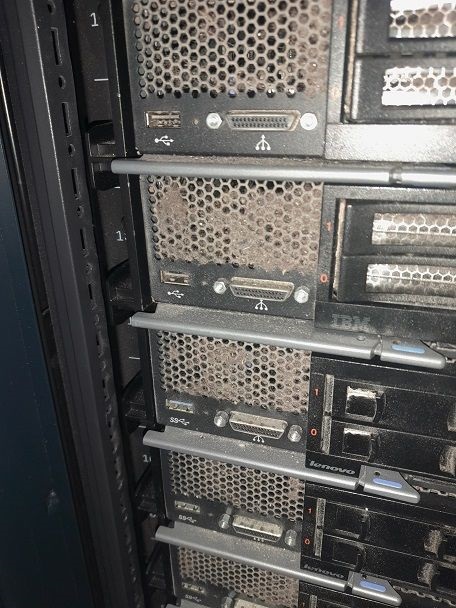
Dust, airborne particulates, and corrosive gases accelerate degradation of printed circuit boards, connectors, power supplies, and cooling systems. This increases the likelihood of thermal stress, reduced MTBF, and unplanned downtime — all of which elevate operational and financial risk.
Environmental Cleanliness as a Risk Control
Leading operators treat environmental management as part of their infrastructure assurance framework, not general housekeeping. Effective contamination control typically includes:
- Defined environmental standards aligned with OEM specifications
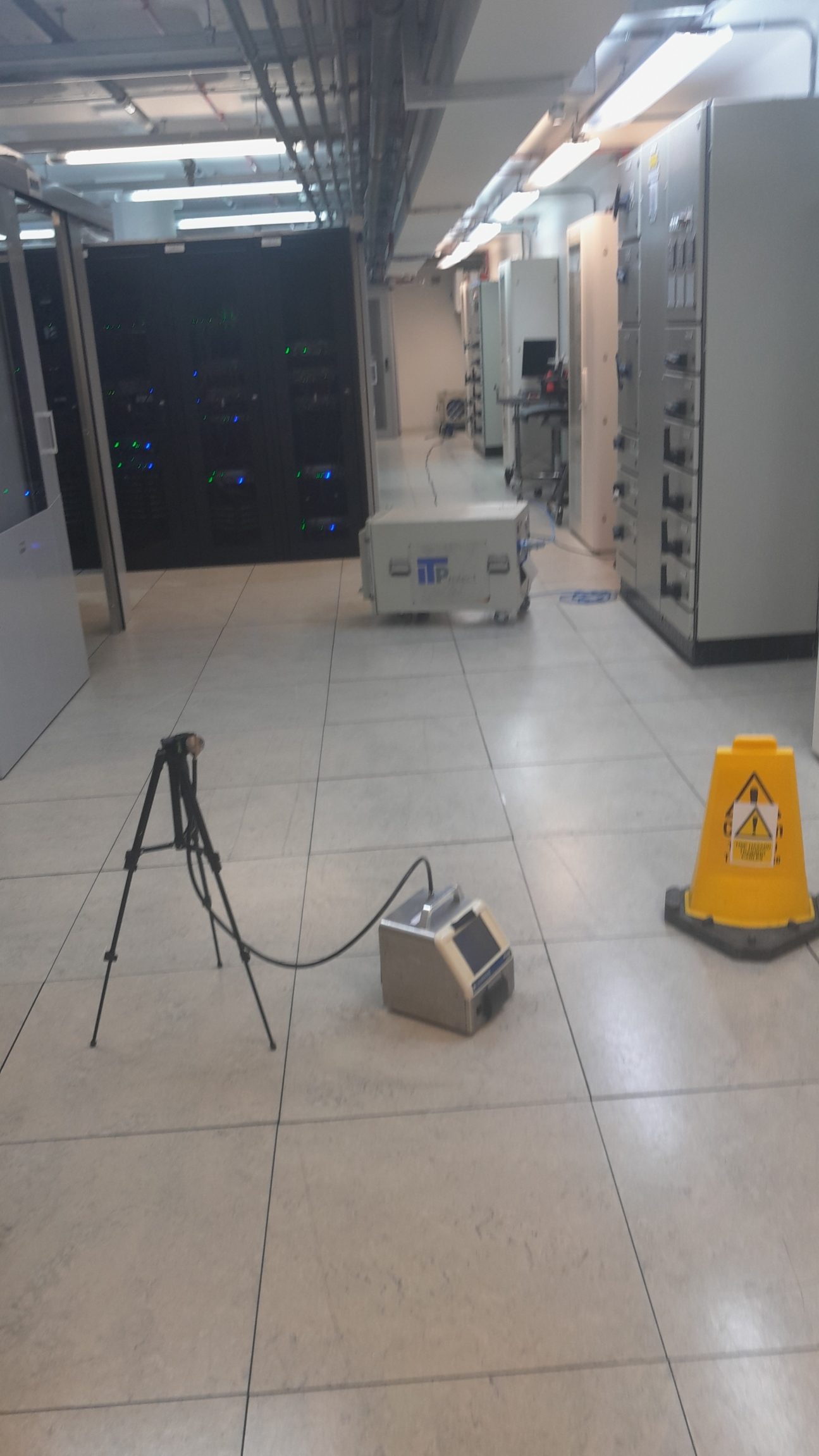
- Regular inspection and specialist cleaning of critical IT spaces
- Preventive maintenance addressing particulate and gaseous contamination
- Documented records evidencing compliance, monitoring, and corrective actions
These measures support both warranty continuity and insurance defensibility, while protecting the long-term value of high-density IT assets.
Cleanliness Is Not Cosmetic — It’s Financial
As capital investment in data centre infrastructure continues to rise, environmental compliance becomes a balance-sheet and governance issue. Clean, controlled environments reduce the probability of loss, support insurer confidence, and demonstrate operational due diligence.
In modern data centres, cleanliness is not just about presentation.
It is about risk management, contractual protection, and insurability.
Executive Summary
Modern data centre infrastructure operates within strict environmental limits defined by OEMs, including NVIDIA. Standards such as ISA-71.04 G1 and ISO 14644-1 Class 8 are not best-practice recommendations but conditions of operation.
Failure to maintain compliant environmental cleanliness can expose organisations to warranty invalidation, increased failure risk, and weakened insurance claims. As asset density and value rise, environmental control becomes a material risk management and governance issue.
Documented contamination control and specialist cleaning support operational resilience, asset protection, and insurability.